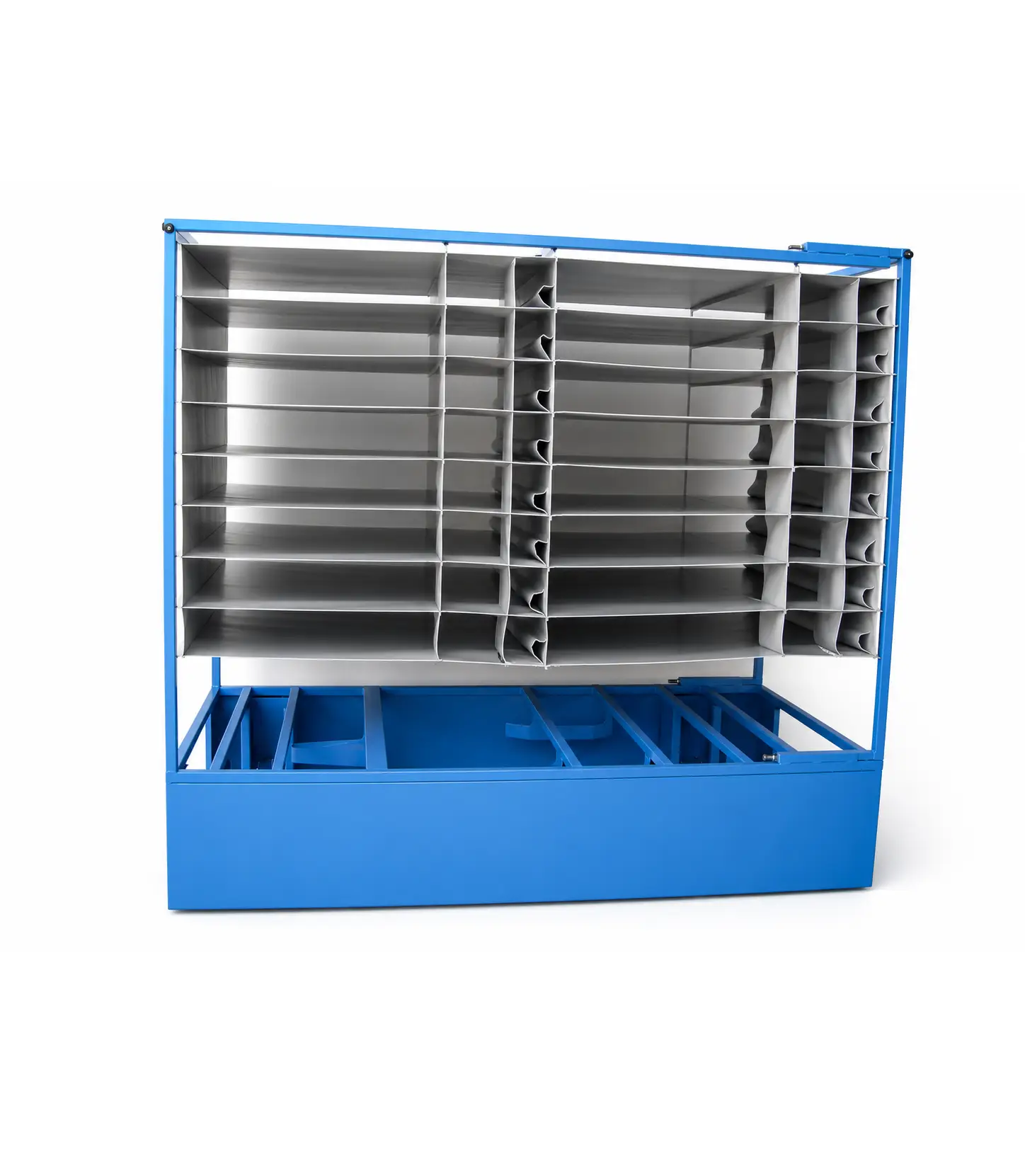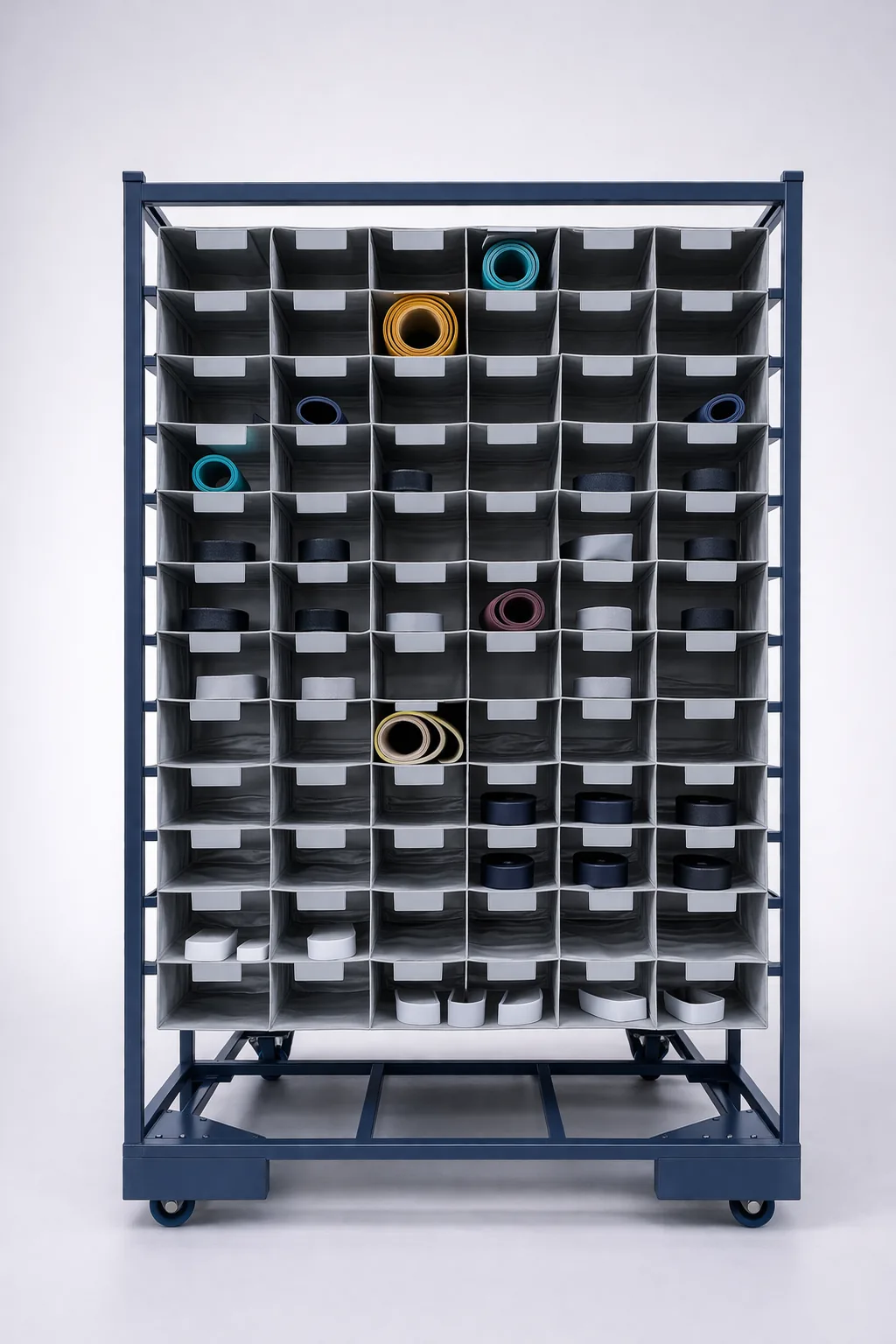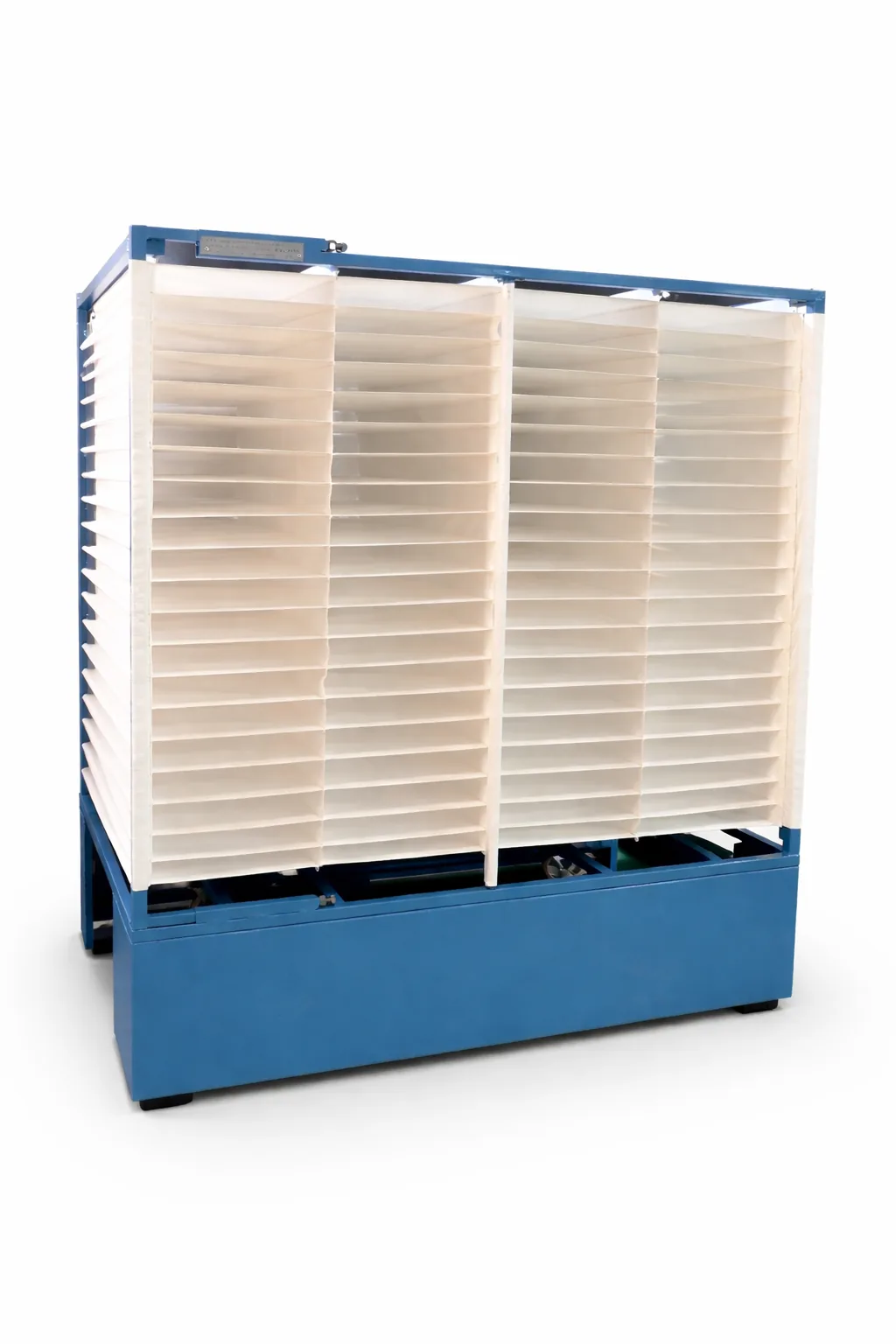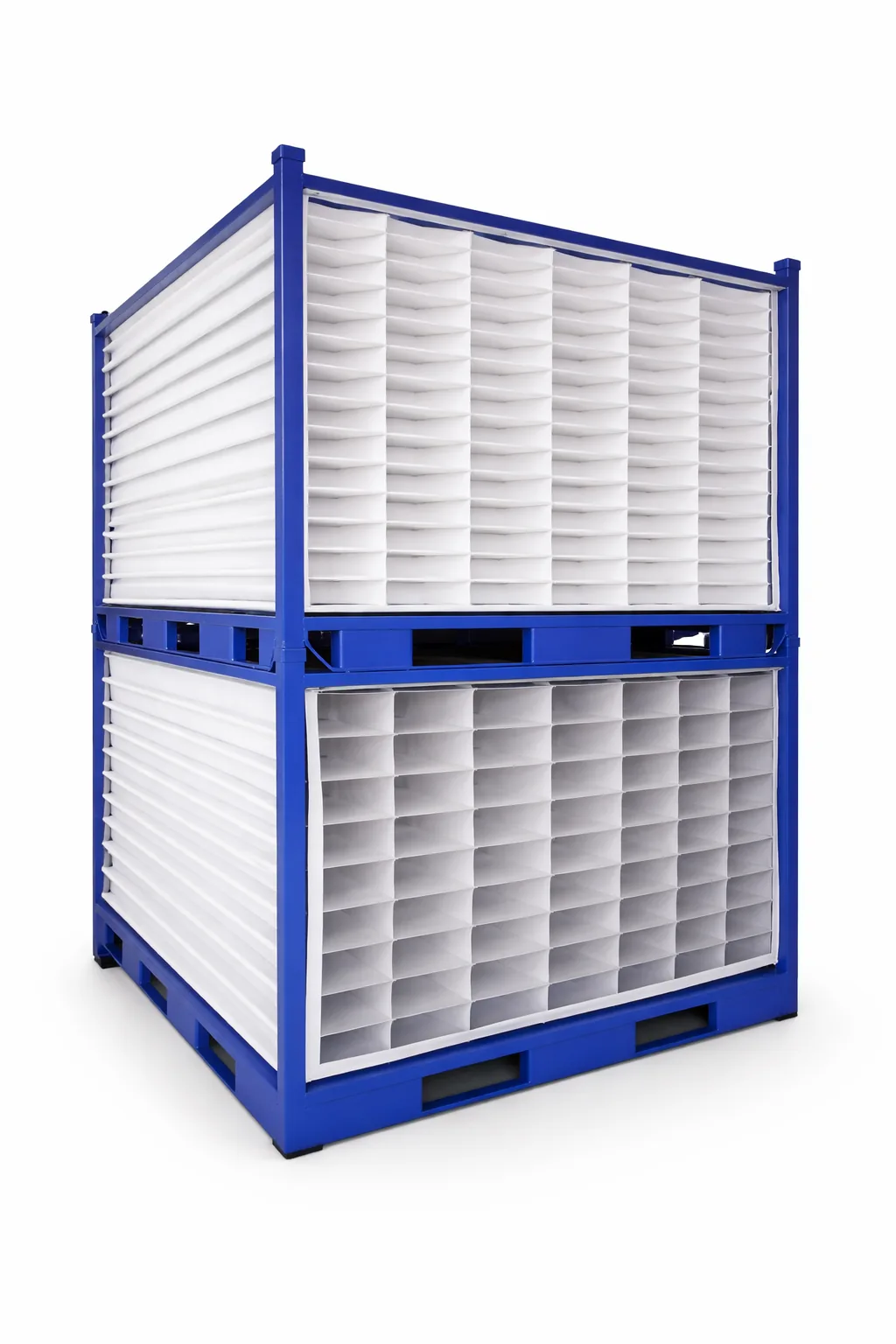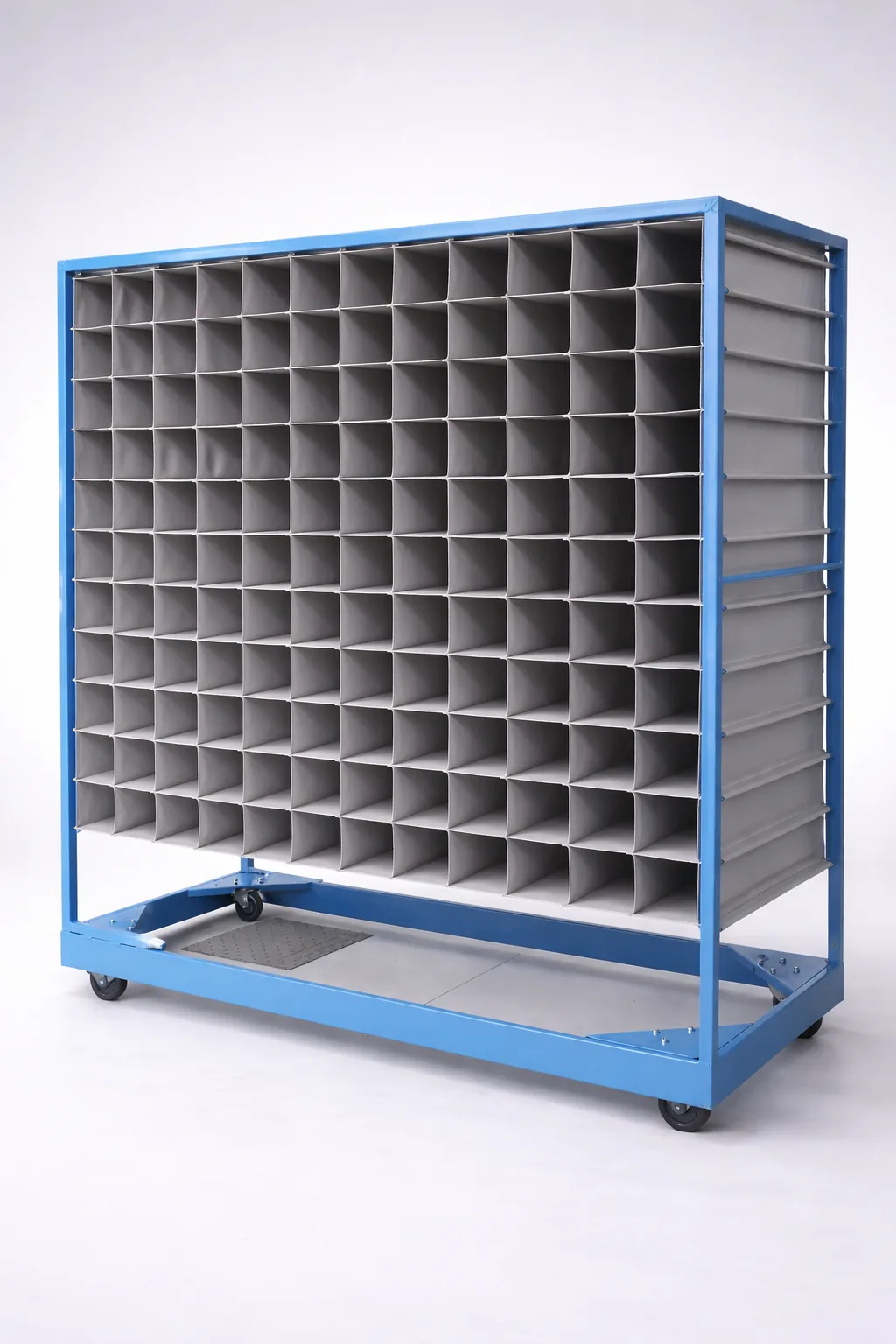

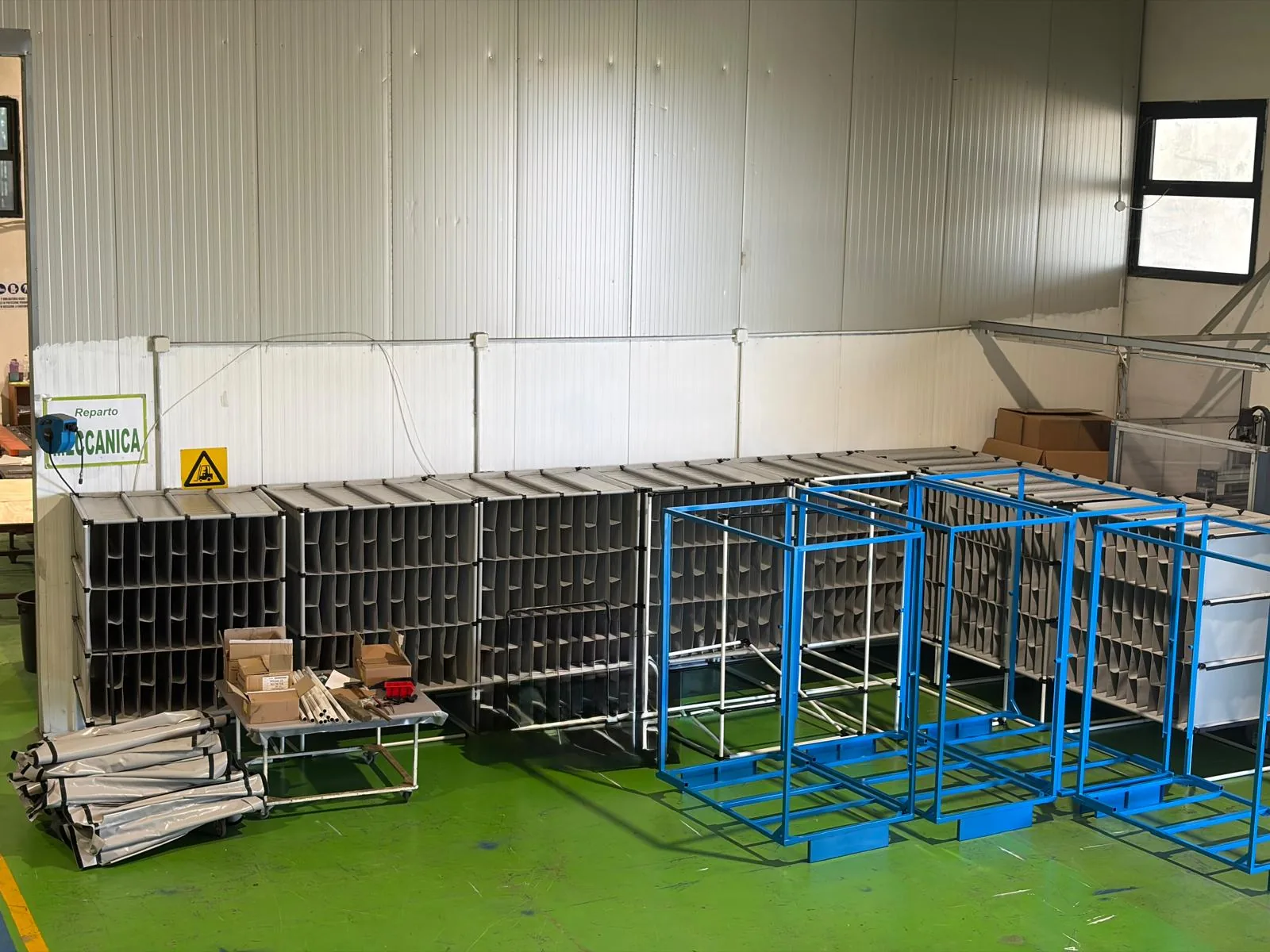
Organize the components destined for the line in dedicated compartments. Kit-Flow systems combine structure and custom textile compartmentalization, with configurations developed considering part geometries, kit composition and picking methods.
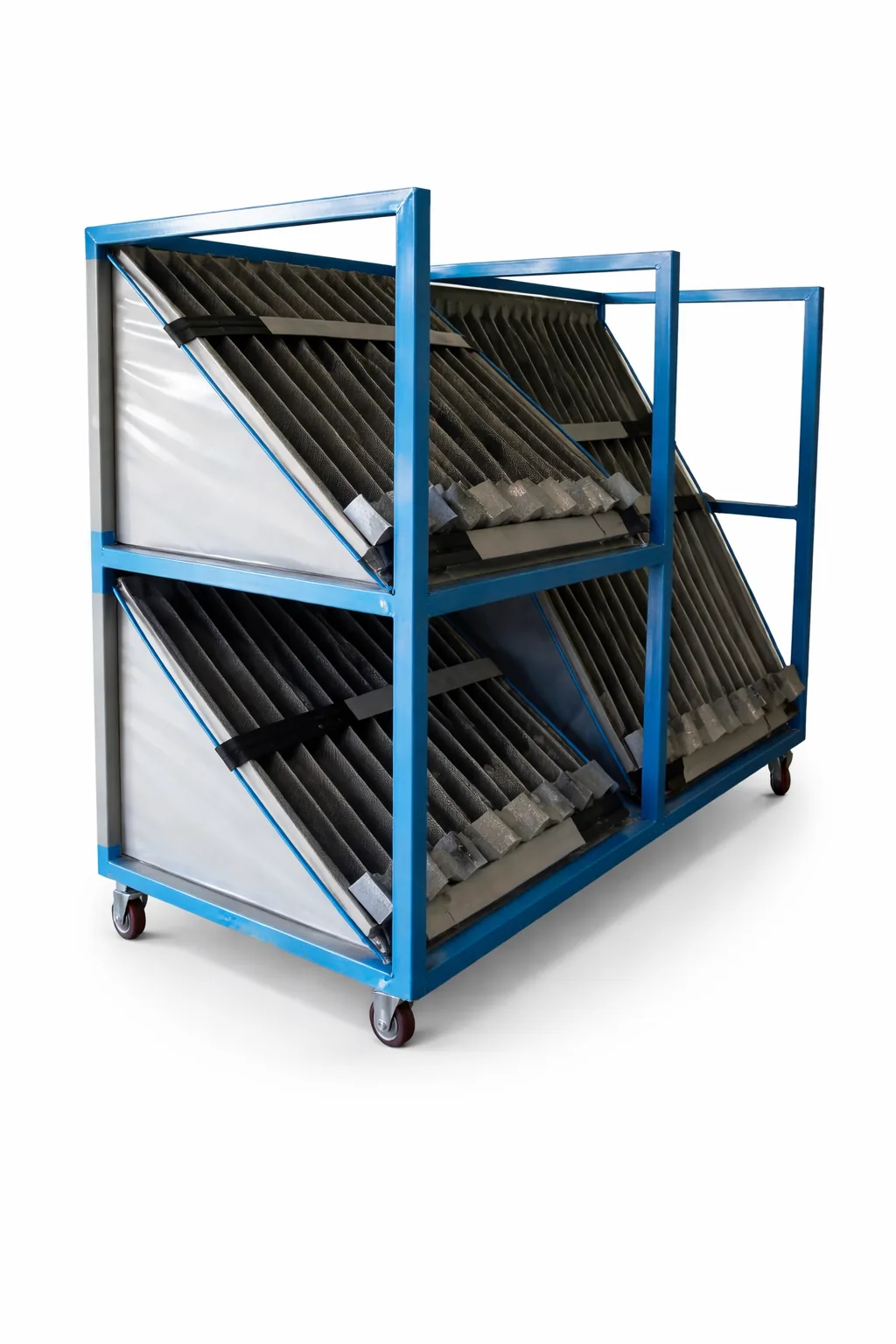
Preparing the components for a production phase requires a system that takes into account the parts to be held and how they will be used. Dimensions, shapes and picking sequence help define the organization of the kit.
Kit-Flow systems are solutions for kitting, that is, the preparation and grouping of the components needed for an activity. Kit-Flow structures the process upstream of the line: custom textile compartmentalization allows dedicated spaces to be assigned to the parts, configured according to their characteristics. The pockets are compartmentalized and coded for the specific component, with the picking sequence visible and the contents readable at a glance.
The project also considers access to the components: how they are loaded, from which position they are picked and how the system is delivered to the line or to the assembly station, within the internal logistics flow. The cart arrives at the station already prepared and the operator picks in sequence. These elements guide the choice of structure and layout of the compartments.
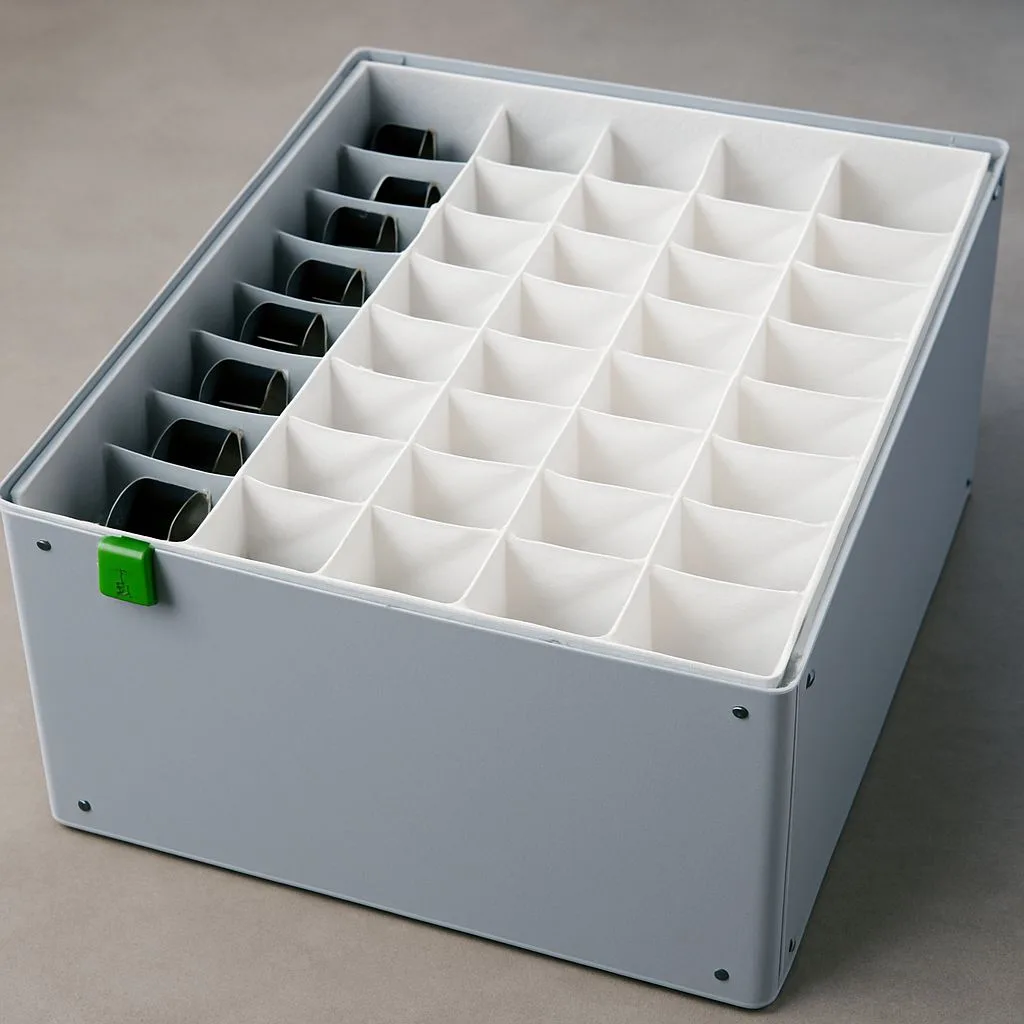
The configuration of a Kit-Flow system starts from the components to be organized. Number of parts, dimensions, contact points and access methods help define the size and layout of the compartments. The images show different possibilities for textile compartmentalization and organization of the structure. The technical discussion makes it possible to identify which characteristics to explore based on the kit and its use.
The choice of system considers the characteristics of the components and the context of use. Structure, internal materials and configuration must be assessed together, to define a solution consistent with the application.
Structure to be defined considering dimensions, expected loads and conditions of use.
Sewn in-house, with dimensions and layout developed on the geometries of the parts.
Front racks, compartmentalized boxes and inclined shelves, to be assessed according to loading and picking.
An application case shows how the needs of the line are translated into the configuration of the system. From the arrangement of the components to the picking methods, every choice must be linked to the problem to be addressed.
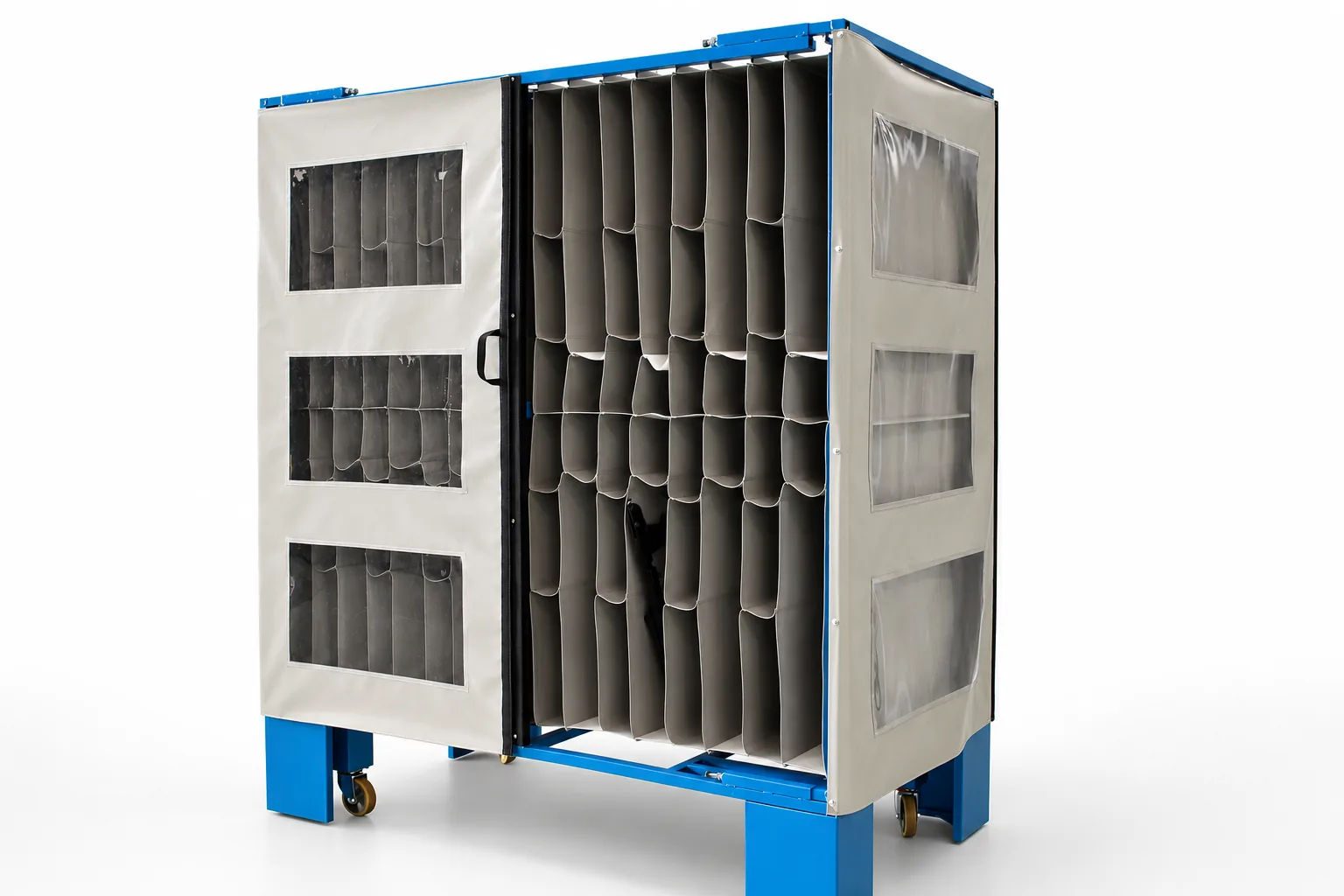
In-line kit preparation was generating continuous losses: non-sequenced picking, selection errors due to insufficient visual coding, incomplete kits and unexpected stoppages.
Kit-Flow with pockets coded by position and a pick sequence structured around the assembly order. The cart is prepared upstream and delivered to the station already complete.
Reduced picking errors. No more incomplete kits. A smooth, predictable assembly process.
Tell us which components need to be organized, how many parts make up the kit and how they are loaded and picked.
Photos, drawings and dimensions help us understand the need and identify the aspects to explore.
Describe the components of the kit and how the system will be used. If available, add dimensions, quantities and handling requirements. You can attach photos, drawings or technical specifications to make the request clearer.